

Leather Types & Materials
Full-Grain vs. Genuine vs. Top-Grain Leather: Understanding the Differences
Dec
Introduction
When it comes to buying leather goods, understanding the differences between leather grades is essential to making an informed choice. Full-grain, top-grain, and genuine leather are the three most common categories, each with unique features, benefits, and applications.
This guide explores these leather types in detail, helping you select the best option for your needs and budget.
What Is Full-Grain Leather?
Definition and Features
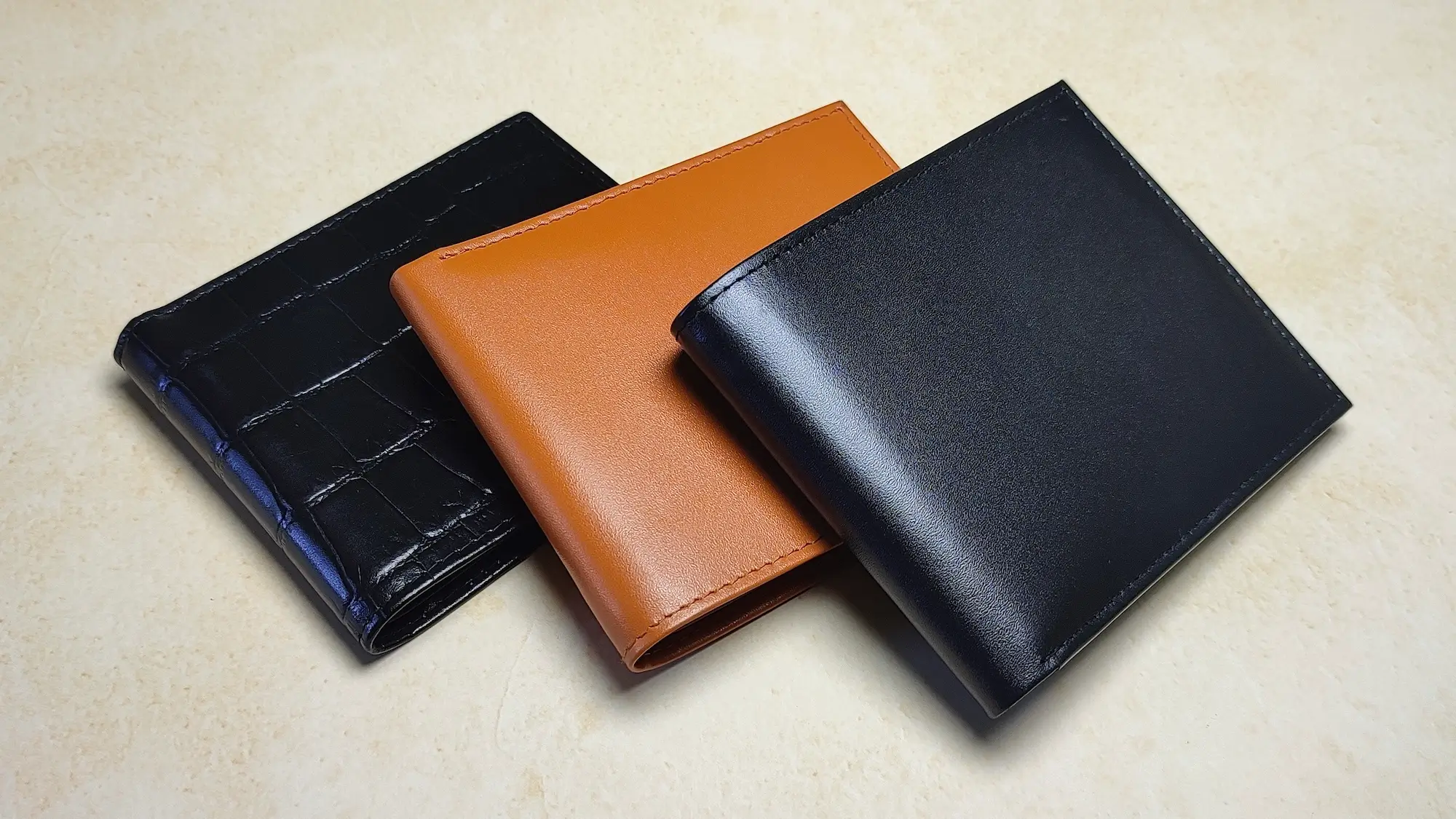
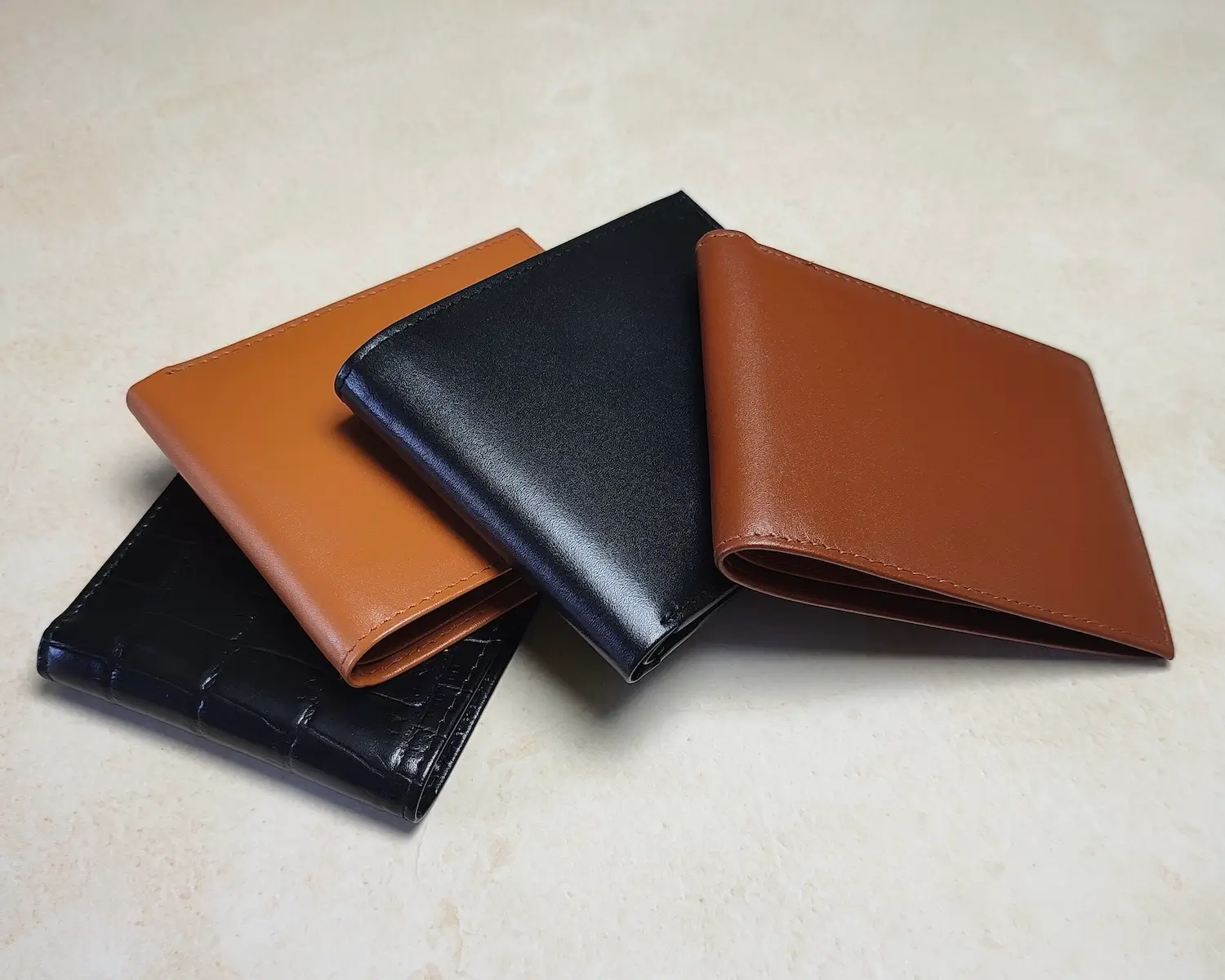
Full-grain leather is the highest quality leather available. It is made from the outermost layer of the hide and retains its natural grain, including scars, wrinkles, and other imperfections. This authentic surface adds character and individuality to each piece.
Benefits of Full-Grain Leather
- Durability: Full-grain leather is incredibly strong and long-lasting, making it ideal for items that need to endure frequent use.
- Natural Patina: Over time, full-grain leather develops a rich patina, enhancing its beauty and uniqueness.
- Breathability: The natural grain allows for excellent airflow, which prevents moisture buildup and odors.
Common Uses
Full-grain leather is often used for high-end products such as:
- Bags: Luxury tote bags, briefcases, and backpacks.
- Shoes: Premium boots and formal footwear.
- Furniture: Sofas and chairs for upscale interiors.
- Belts: Durable belts that age beautifully.
What Is Top-Grain Leather?
Definition and Features
Top-grain leather is the second-highest grade of leather. It is made by sanding or buffing the outer layer of the hide to remove imperfections, resulting in a smoother, more uniform surface. Often, top-grain leather is treated with protective coatings to enhance its durability and stain resistance.
Benefits of Top-Grain Leather
- Softness: Its sanded surface makes it more pliable and comfortable to use.
- Uniform Appearance: The removal of natural imperfections creates a polished, consistent look.
- Stain Resistance: Top-grain leather is often treated to resist spills and scratches, making it easier to maintain.
Common Uses
Top-grain leather is frequently found in:
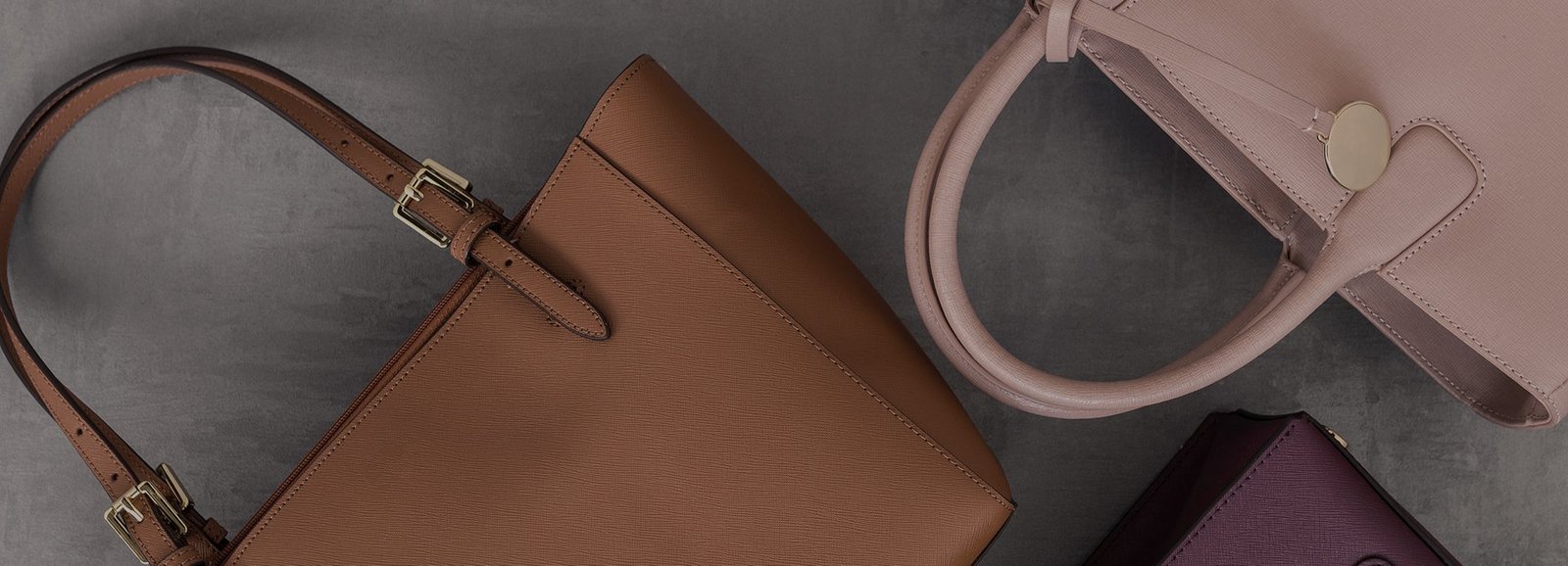
- Handbags: Luxury designs that balance style and practicality.
- Wallets: Sleek and soft options for everyday use.
- Upholstery: Sofas and car seats where durability and aesthetics are equally important.
What Is Genuine Leather?
Definition and Features
Genuine leather refers to leather made from the lower layers of the hide after the top-grain is removed. It is often processed, coated, and embossed to mimic the appearance of higher-quality leather. While genuine leather is less durable and natural-looking, it is widely used for its affordability.
Benefits of Genuine Leather
- Affordability: Genuine leather is significantly cheaper than full-grain or top-grain leather, making it accessible to a broader audience.
- Versatility: Its synthetic treatments allow for a variety of textures and finishes.
- Low Maintenance: Treated surfaces are easier to clean and require less upkeep.
Common Uses
Genuine leather is typically used for:
- Belts: Affordable options for casual wear.
- Wallets: Budget-friendly choices with decorative finishes.
- Furniture: Entry-level sofas and chairs with leather-like appeal.
Key Differences Between Full-Grain, Top-Grain, and Genuine Leather
Quality and Durability
- Full-Grain Leather: The most durable option, resistant to wear and tear.
- Top-Grain Leather: Less durable than full-grain but more resilient than genuine leather.
- Genuine Leather: Least durable, prone to wear over time.
Aesthetic Appeal
- Full-Grain Leather: Natural beauty with visible grain and imperfections.
- Top-Grain Leather: Smooth, polished surface with a refined look.
- Genuine Leather: Processed appearance that mimics higher grades.
Price Range
- Full-Grain Leather: Highest cost due to premium quality and longevity.
- Top-Grain Leather: Moderately priced, offering a balance of quality and affordability.
- Genuine Leather: Budget-friendly, ideal for cost-conscious buyers.
Pros and Cons of Each Leather Grade
When deciding between full-grain, top-grain, and genuine leather, it’s essential to weigh their advantages and limitations to find the best match for your needs.
Full-Grain Leather
Pros:
- Longevity: With proper care, full-grain leather can last decades.
- Patina Development: Ages gracefully, becoming more attractive over time.
- Unique Look: Each piece is one-of-a-kind, showcasing natural imperfections.
Cons:
- Cost: It is the most expensive leather grade due to its premium quality.
- Stain Vulnerability: Without protective coatings, it’s more prone to stains.
- Less Flexibility: Can feel stiff initially, requiring a break-in period.
Top-Grain Leather
Pros:
- Smooth Finish: The sanding process removes imperfections for a refined look.
- Easier Maintenance: Treated surfaces resist stains and scratches.
- Softer Feel: Comfortable and flexible, making it ideal for wearables.
Cons:
- Reduced Durability: Sanding weakens the leather slightly compared to full-grain.
- Limited Patina: Does not develop the same depth of character as full-grain.
- Moderate Cost: More affordable than full-grain but still pricey.
Genuine Leather
Pros:
- Affordable: A cost-effective alternative for those on a budget.
- Versatility: Available in various textures and finishes.
- Low Maintenance: Treated surfaces are easy to clean.
Cons:
- Shorter Lifespan: Prone to peeling and cracking over time.
- Synthetic Look: Lacks the natural grain and feel of higher-quality leathers.
- Lower Strength: Less resistant to heavy use and wear.
How to Choose the Right Leather for Your Needs
Selecting the ideal leather type depends on factors like intended use, budget, and personal preferences. Here’s how to make the right choice:
Match the Leather to Its Purpose
- High-Durability Needs: For items like luggage, belts, or boots, opt for full-grain leather due to its strength and resilience.
- Everyday Elegance: For handbags or wallets that require a balance of style and practicality, top-grain leather is a great option.
- Budget-Friendly Accessories: Genuine leather works well for items with lower wear demands, such as decorative belts or casual wallets.
Consider Your Budget
- If durability and luxury are priorities, full-grain leather is worth the investment.
- For high-quality products at a lower price point, top-grain leather offers a good balance.
- If affordability is key, genuine leather provides an entry-level option while maintaining some leather appeal.
Understand the Value of Each Grade
- Full-grain leather offers the best return on investment for its longevity and aesthetic appeal.
- Top-grain leather balances quality with ease of maintenance, making it ideal for everyday use.
- Genuine leather sacrifices durability for affordability but can still deliver value in low-stress applications.
Conclusion
Understanding the differences between full-grain, top-grain, and genuine leather empowers you to make smarter choices when investing in leather goods. Each grade offers unique benefits and drawbacks, with full-grain leather standing out for its unparalleled durability and natural charm, top-grain for its refined look and practicality, and genuine leather for its affordability.
Whether you’re purchasing a timeless leather bag, a comfortable wallet, or a durable belt, knowing these distinctions ensures your investment aligns with your needs, style, and budget. Choose wisely, and enjoy the timeless appeal and functionality that quality leather brings.
FAQs About Full-Grain, Top-Grain, and Genuine Leather
-
Which leather grade is the most durable?
Full-grain leather is the most durable because it retains the strongest fibers of the hide and develops a protective patina over time. -
Can genuine leather look as good as full-grain or top-grain?
Genuine leather can mimic the appearance of higher-quality leather through treatments and coatings, but it lacks the authenticity and longevity of full-grain or top-grain leather. -
How do I identify full-grain leather?
Look for visible natural imperfections, a rich texture, and a slight variance in grain patterns. Full-grain leather often has a more rugged feel compared to smoother top-grain or genuine leather. -
Is top-grain leather worth the price?
Yes, if you value a polished appearance and moderate durability. It’s a great middle-ground option for those who want quality without paying for full-grain. -
How do I care for each type of leather?
- Full-Grain: Use leather conditioner to prevent drying and maintain its natural beauty.
- Top-Grain: Clean with a damp cloth and use mild leather care products.
- Genuine Leather: Wipe clean regularly but avoid over-conditioning, as its treated surface may not absorb products effectively.
FAQ : Frequently Asked Questions
Full-Grain vs. Genuine vs. Top-Grain Leather: Understanding the Differences
Answer:
Full-grain leather is the most durable because it retains the strongest fibers of the hide and develops a protective patina over time.
Answer:
Genuine leather can mimic the appearance of higher-quality leather through treatments and coatings, but it lacks the authenticity and longevity of full-grain or top-grain leather.
Answer:
Look for visible natural imperfections, a rich texture, and a slight variance in grain patterns. Full-grain leather often has a more rugged feel compared to smoother top-grain or genuine leather.
Answer:
Yes, if you value a polished appearance and moderate durability. It’s a great middle-ground option for those who want quality without paying for full-grain.
Answer:
- Full-Grain: Use leather conditioner to prevent drying and maintain its natural beauty.
- Top-Grain: Clean with a damp cloth and use mild leather care products.
- Genuine Leather: Wipe clean regularly but avoid over-conditioning, as its treated surface may not absorb products effectively.

ALTANZ
ALTANZ is a premium leather goods brand focused on timeless design, quality craftsmanship, and everyday functionality. Explore our collection of leather wallets and accessories designed to age beautifully over time.